Growing up where the tape rolls
I grew up around records that still smelled faintly of tobacco and varnish, and I see that same scent in the story of the woman at the center of this piece. Born into a house where guitars were tools and songs were Sunday routines, she learned early that music is the kind of language that does not wait for permission. Her childhood folded talent into family life so seamlessly that the line between kitchen table and rehearsal room blurred. From that blurred line came a lifetime of choices that favored craft over headline chasing.
Her father, Seidina Ann Reed Hinesley, cast a long, audible shadow. He was not just a name on a poster; he was a sound that shaped the household. Her mother, Priscilla Mitchell Hubbard, brought a different voice to the room, one that taught nuance and the importance of phrasing. Together they created a home that functioned as both classroom and factory.
The role she chose
Rather than press for a spotlight, she chose the quieter craft of accompaniment and care. In many musical families there is one person who insists on the solo line. In this one, she became the steady harmony, the person who knew how to hold a part until the song could breathe. She moved through sessions as a supporting artist, an arranger of textures, and occasionally as a lead voice when a family project needed a human anchor.
Onstage she was rarely billed as the primary draw. Behind the curtain she curated memory. She kept tapes, organized photographs, and cataloged family credits in a way that made future projects possible. Acting as steward of the family archive is a kind of art practice in itself. It requires patience, a sense of lineage, and the willingness to be invisible while preserving what will later be celebrated.
Partnership and production
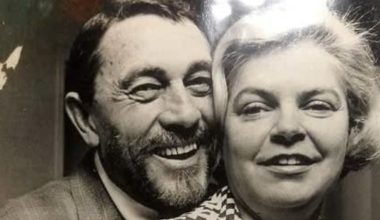
Her life intersected with production through a long term partner, Chet Hinesley. Where one of them kept track of the family story, the other frequently moved those stories into sessions and into finished recordings. That partnership built a small, resilient engine for projects that did not always seek commercial triumph but did insist on honest expression.
I notice that couples like this create their own micro industry. They become label, promoter, archivist, and artist rolled into one. That approach is practical and protective. It keeps control close to the people whose lives are being documented. It also means creative decisions are sentimental and strategic at once.
The quiet act of lifting a legacy
She has done what few family members get credit for. She has lifted legacy from memory into form. I am thinking of the record that took a private conversation with a parent and turned it into a public testimony. Projects like that are acts of translation. They take private grief and private gratitude and render them in chord changes and harmonies.
There is a valuable labor in choosing which songs to keep alive. She has acted as a gatekeeper and as a translator. She decides which demos should see the light and which home recordings should stay in a drawer. Those are artistic calls with ethical weight. I admire the restraint it takes to let some things rest while pushing others into the world.
Public presence and private handoffs
Her public face is modest. She appears in family credits, in photo captions, in liner notes, and now and then in a tribute project where she steps forward as lead. But offstage she is the one teaching the next generation how to preserve the work. She has guided younger family members through the process of documenting sessions, tracking publishing information, and understanding how performance royalties can be sustained across decades.
This stewardship is not glamorous. It is bookkeeping with a pulse. It is the patient work of matching names to takes, of ensuring credits are accurate, and of negotiating permission for old tapes to be reissued. Those tasks can feel administrative, but they are also acts of love.
Memory as curriculum
If memory is a curriculum, she is one of the teachers. She uses stories to instruct and songs to illustrate. Listening to the family lore under her guidance is like attending a master class where history and technique are inseparable. The anecdotes that land in interviews and in family gatherings are not only nostalgic ornaments. They are tools for younger musicians to learn how to phrase, how to take a solo, and how to respect a song.
I find it striking how the home recordings she preserves function as a living archive. They are not museum pieces. They are teaching aids for people who want to learn to play in a certain way. That is cultural transmission in action.
The small economy of family music
There is an often unseen economy that supports families like hers. It is a delicate combination of royalties, occasional session fees, personal networks, and the resale value of catalog rights. She understands that value is sometimes emotional and sometimes financial. Her work in curating releases, blessing tribute projects, and coordinating credits affects how the family earns from its past.
I also see the fragile balance between protecting a legacy and maximizing its financial potential. She has favored responsible stewardship, choosing carefully what to release and how to present it. Those decisions keep the family voice intact while allowing for measured ways to sustain the creative household.
An ongoing conversation
The story is ongoing. The people around her continue to reissue, reinterpret, and remember. The archive she tends is a living thing that will speak in different ways to different generations. I believe she knows this and acts accordingly. She operates with the long view of a gardener rather than the impatience of a promoter.
FAQ
Who were her parents?
Her parents were central figures in the household and in the wider music world: her father was Jerry Reed Hubbard and her mother was Priscilla Mitchell Hubbard. They shaped the environment in which she learned music and stewardship.
Does she have siblings involved in music?
Yes. The family includes at least one sister, Charlotte Elaine Reed Stewart, who appears with the family in public remembrances and projects. Music and memory are shared across siblings in different roles.
Who is her long term partner and what does he do?
Her partner, Chet Hinesley, is linked to production and family projects. Together they have helped move private recordings into finished works.
Who were her grandparents?
Her paternal grandparents were Cynthia Hubbard and Robert Hubbard. Their presence in family memory contributes to the sense of continuity she protects.
How does she contribute to the family legacy?
She acts as an archivist, a curator, and an occasional lead artist. She organizes recordings, maintains credits, and helps younger relatives understand the mechanics of preserving and releasing music. Her work keeps the family narrative alive without insisting on personal fame.