A life threaded through medicine and family
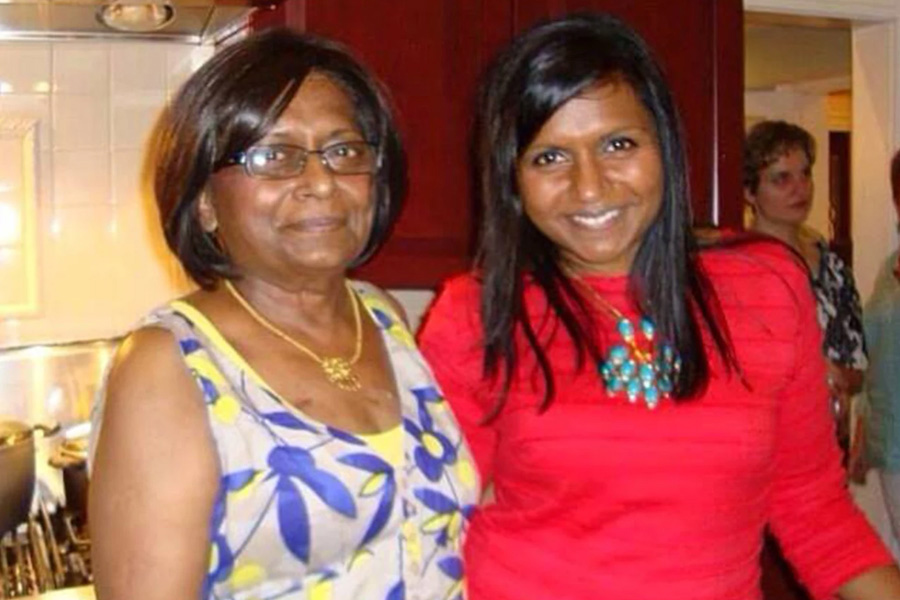
I have a habit of imagining lives as fabrics. Some are loud tapestries. Others are linens, tightly woven and quietly durable. The life of Swati Roysircar was linen. She was a practitioner whose hands learned the slow grammar of births, whose days were measured in checkups and conversations, and whose patient list read like a map of human beginnings. I think of the hospital where she spent decades as the loom. At St. Elizabeths Medical Center she found the rhythm of a calling. There is an economy to that kind of long work. It does not announce itself. It accumulates.
When I sit with that accumulation, I see more than clinical hours. I see the small decisions, the repeated kindnesses. I see a woman who navigated the particularities of immigrant identity and medical authority with equal steadiness. I see a person whose life created a quiet architecture for a family to build upon.
The household that shaped a public voice
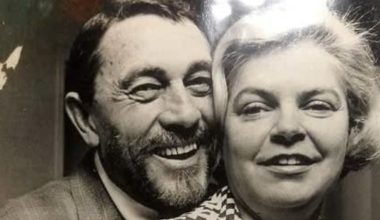
Families are laboratories. In them, habits are tested, tastes are formed, and, sometimes, careers take their first breaths. The Chokalingam household became such a place. Avudaiappan Chokalingam held the role of steady partner. In the rooms where design and domesticity met, his work as an architect informed a sense of space and order. I imagine conversations at a kitchen table where blueprints and bedtime stories exchanged the spotlight. Avudaiappan “Avu” Chokalingam stood beside Swati as the scaffolding to her quieter scaffolds.
Their daughter carried those lessons outward. Mindy Kaling has described, in public moments and private flashes alike, how her mother’s steadiness nourished a curious, comedic mind. That influence did not announce itself as doctrine. It showed up as a tolerance for long hours, as an appetite for intellectual play, and as a reverence for naming. Naming is a form of memory. It is ritual and promise. When names cross generations they are acts of both tribute and ownership.
Legacy as a verb
Legacy is often thought of as a noun. I prefer the verb. To leave a legacy is to keep doing something that others will inherit. Swati left the practice of attentive care. She left a habit of presence. These are not euros or trophies. They are things that alter temperament. They shape how grandchildren are held, how questions about health are asked, and how careers are chosen.
I notice this in the way family names travel. Grandchildren carry middle names as if the family were sending postcards from a past that matters. Katherine Swati Kaling bears Swati’s name in the middle position, a quiet reminder that someone before her made room. Spencer Avu Kaling carries Avu’s name the same way. Names are practical. They are also weather. They change how a child is announced at a party and how a parent pictures continuity.
The presence of an elder in medicine also pushes a family toward conversations about health. Illness becomes not only a private struggle but a prompt for advocacy and awareness. When someone close dies of a disease, the household registers its vulnerability. The result is often both sorrow and determined curiosity. I have seen families transform grief into projects, into questions about screening, into fundraising, into speechmaking. This is one of the ways a life in medicine propagates outward.
The quiet radicalism of consistency
There is a kind of radicalism in showing up for decades. It is less glamorous than a single striking rescue. It is more like the steady pressure of water that smooths stone. I find that steady pressure compelling. It suggests priorities; it suggests a refusal to be distracted by the short lived applause of modern life.
When I think of Swati at work I think of small rituals. A particular way of entering a room. A kindness offered without fanfare. A question asked that made a patient feel less alone. These are the acts that ripple. They are how trust is built. They are also how a physician becomes woven into the fabric of a community.
Stories that become public through private acts
Public lives are often built on private foundations. A daughter’s jokes may make it into a script and then into millions of streaming minutes. A child’s gratitude may become a speech. The family’s internal archive of jokes, meals, and shared anxieties ends up refracted into pop culture. I like thinking about the small link between a clinic visit and a television moment. It is like finding a single stitch from a family quilt in a billboard. The personal becomes material for art, and art becomes another way of keeping a person present.
This is not always simple. Translation can be clumsy. Interiority is sliced into sound bites. But the essential thing is that a practice unassumingly iterates the values that later turn up on a screen. Solidarity, humor, a refusal to be defined solely by pain. These are values that can travel.
What I noticed that we rarely say aloud
I have been struck by the quiet dignity of women like Swati who balanced household demands and professional obligations in eras less forgiving than our own. They did not expect awards. They expected to be needed. That expectation shaped the contours of their days. It also made them less visible in the historical record. The work was essential and anonymous.
We need to practice a different form of remembrance. We can honor steadiness with stories that emphasize the craft. We can talk about how many early morning calls it takes to become reliable. We can name the patience involved in explaining the same anxieties to many different people. We can admit that quiet durability is a kind of excellence.
FAQ
Who was Swati Roysircar?
Swati Roysircar was a physician who practiced obstetrics and gynecology for many years in the Boston region. She moved through the steady, unflashy work of caring for patients and shaping a household that encouraged curiosity and resilience.
What was her professional focus?
Her daily work centered on reproductive health. She spent decades at a single hospital where she helped deliver babies and guided women through medical decisions. Her approach prioritized continuity of care and the small human acts that make clinical work meaningful.
How did family life intersect with her career?
Family life and professional life were braided together. Her husband practiced architecture while she practiced medicine. Their home became a place where design thinking and medical steadiness coexisted. That environment informed how their children approached their careers and their public voices.
How has her influence shown up in later generations?
Her influence appears in naming choices and in conversational habits. Grandchildren carry family names that keep memory active. Children in the family have turned private experiences into creative output that nods to the household that raised them.
What does her story tell us about legacy?
Her story teaches that legacy is often an ongoing action. It is made in habits, in daily choices, and in the protocols one leaves behind. It shows that caring is a durable inheritance and that the ordinary work of attention can shape how future generations see the world.