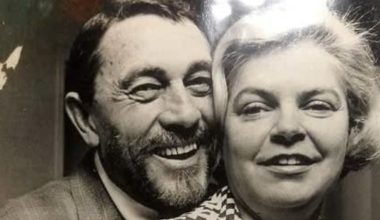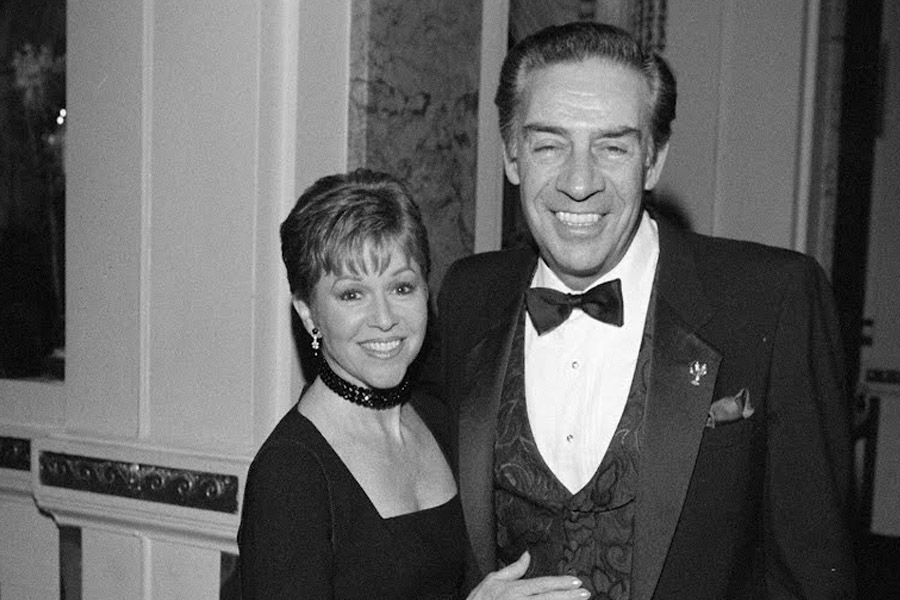
A dancer shaped by discipline and distance
I think of Elaine Cancilla Orbach as a woman who understood the mathematics of movement before she understood the mythology of fame. She was born in Pittsfield, Massachusetts, far from the bright center of Broadway, and that distance matters. It gives her story a shape. She did not arrive in New York as a celebrity in waiting. She arrived as a disciplined young dancer with a scholarship, a trained body, and the kind of stubborn attention that performance demands every night.
Her early formation matters because it explains the texture of the rest of her life. A dancer learns to read rooms quickly. She learns to mark time, hold stillness, and live inside repetition without losing feeling. Those habits later echoed in the way Elaine Cancilla Orbach moved through the world of theatre and marriage alike. She was not built for spectacle alone. She was built for stamina.
The School of American Ballet was not just a school on her path, it was a crucible. Classical training can be a stern teacher. It asks for control first and expression second. That is useful for a Broadway dancer, where precision must often wear a smile. Her later career shows the result, a performer who could blend into an ensemble and still leave a trace, like a violin line heard faintly but remembered long after the curtain drops.
The Broadway world she entered
Broadway in the 1960s was a machine of motion, sweat, and invention. The marquee names got the headlines, but the stage depended on the people in the ranks behind them. Elaine Cancilla Orbach lived in that engine room. She worked in ensembles, understudied, stepped in, and kept shows alive. That work rarely gets polished into legend, yet it is the backbone of live theatre.
I find that part of her story especially compelling because it resists the easy script. She was not presented as a starlet on a launchpad. She was a working artist in a city that asks for exactness and grants recognition unevenly. In a Broadway cast, the ensemble is both architecture and weather. It frames the leads, fills the space, and changes the temperature of the room. Elaine belonged to that essential middle layer, where craft is visible only to those who know how to look.
Her credits reveal a career stitched across an era of changing theatrical style. The Broadway landscape she moved through included classic showmanship, pop energy, and shifting ideas about what a musical could be. She was there for productions that carried their own cultural weather, and she helped make them move. That is not a small thing. A musical is a clockwork heart, and dancers keep the gears aligned.
A meeting that altered two lives
Every life contains one hinge moment that seems ordinary at the time. For Elaine Cancilla Orbach, one such moment was meeting Jerry Orbach. He was already known in the theatre world, a performer with a strong stage presence and a voice that could hold a room by itself. Their connection began in a professional environment, which feels fitting. They were both people who knew how work could become a language of affection.
What interests me is that their partnership grew out of shared craft rather than theatrical fantasy. They understood rehearsals, touring pressure, opening nights, and the strange emotional weather of a life built on performance. That sort of bond is practical and romantic at once. It is a duet, not a solo. When people imagine the life of a stage couple, they sometimes picture glitter. I picture schedules, travel bags, waiting rooms, and the steady recognition that another artist across the table knows exactly why you are tired.
Their marriage in 1979 gave Elaine a new public identity, but it did not erase the earlier one. She remained Elaine Cancilla in memory and in legacy, even as the world increasingly knew her as Elaine Cancilla Orbach. That layered naming matters because it suggests continuity rather than disappearance. She did not become someone else by marrying. She expanded into a different kind of role.
Life beside a man whose fame kept rising
As Jerry Orbach’s career widened, especially with television success, Elaine’s life took on a different kind of visibility. Public attention often treats the partner of a famous performer as a shadow figure, but that is a simplistic lens. A marriage sustained over decades is not shadow work. It is structural work.
Elaine’s role appears to have been one of continuity, care, and balance. Theatre and television careers can pull a family into strange orbits, and a partner must often become the person who keeps the center of gravity from slipping. That responsibility can be invisible from the outside. It is also real.
After Jerry’s death in 2004, Elaine stepped more visibly into the work of memory. That transition tells me a great deal about her. Some people retreat from legacy management, but she seems to have understood that remembrance is not passive. It is active maintenance. It requires decisions, public appearances, legal persistence, and emotional steadiness. In a way, preserving a legacy is its own production, with rehearsals, cues, and an audience that includes history.
The places that now carry her name
I am struck by the fact that a rehearsal studio bears Elaine Cancilla Orbach’s name. That feels right in a deep way. Rehearsal space is where art becomes possible. It is not the glowing front of house. It is the workshop, the echo chamber, the room where corrections happen and bodies learn to trust one another. To attach her name to such a space is to honor process rather than just achievement.
There is a metaphor here that fits her life well. A performance is what the audience sees, but rehearsal is the hidden weather system that makes performance possible. Elaine lived in that weather system for years. Naming a studio after her recognizes the labor beneath the applause. It says that the backbone matters.
Her connection to public honors for Jerry Orbach also reflects a larger truth about theatrical memory. Streets, theaters, and rehearsal rooms become part of the permanent city map, and in that map, people like Elaine are essential cartographers. She helped shape how one performer would be remembered, but in doing so, she also placed her own story into the city’s civic language.
Family, inheritance, and the difficult work of aftermath
Elaine Cancilla Orbach’s life cannot be told honestly without acknowledging the family complexity that followed Jerry’s death. She became part of a blended household with stepchildren, and later disputes over estate matters brought private pain into public view. That kind of conflict is never glamorous, but it is common enough to deserve attention. Estates test not only money but memory, loyalty, and the stories families tell about themselves.
I think this part of her story matters because it reminds us that legacy is rarely neat. The same life that creates tribute can also create tension. The same objects that once sat casually in a home can become charged with meaning after death. A watch, a script, a trust document, a donation, a wardrobe item, all of it can turn into evidence in a family’s argument over who understood the person best.
Elaine’s side of the story, as publicly understood, suggests a woman who believed she had acted in accordance with love and duty. That is the most human part of inheritance disputes. People rarely fight only over property. They fight over interpretation. They fight over who gets to say what a life meant.
Why her story still holds attention
The reason Elaine Cancilla Orbach still deserves attention is not because she was attached to a famous husband. It is because she represents a kind of artistic life that often gets flattened in public memory. She was a dancer, an understudy, a collaborator, a spouse, a caretaker of legacy, and a woman whose backstage work had its own dignity.
I like stories like hers because they resist the false divide between greatness and support. The theatre depends on both. The visible and the unseen are welded together. Her life reminds me that the history of Broadway is not just a list of leading roles, it is an ecosystem of people who arrive early, stay late, and make the illusion possible.
Elaine Cancilla Orbach also carries the feel of a transitional American artist. She came from a smaller city, trained hard, entered the professional world through discipline, and moved through a changing cultural landscape with grace and persistence. That kind of life may not always sound loud in the retelling, but it rings.
FAQ
Did Elaine Cancilla Orbach build her career in dance before marriage?
Yes. Her professional identity was already established through stage work before her marriage to Jerry Orbach. She came up through serious dance training and Broadway ensemble work, which gave her an artistic life of her own.
Why is her rehearsal studio legacy significant?
Because it honors the part of theatre most audiences never see. A rehearsal studio represents labor, repetition, correction, and craft. Naming one after Elaine Cancilla Orbach places value on the hidden machinery of performance.
What made her partnership with Jerry Orbach notable?
They shared a life shaped by theatre, touring, and performance culture. Their relationship grew from a professional world they both understood, which gave their marriage an unusually shared artistic language.
Did Elaine Cancilla Orbach remain involved in public memory after Jerry Orbach died?
Yes. She became a visible steward of his memory, helping preserve honors, public dedications, and the broader cultural recognition of his work.
Why does her story matter beyond Broadway history?
Because it shows how artistry, marriage, memory, and family can intertwine. Elaine Cancilla Orbach represents the many performers whose influence lives not only in credits, but in institutions, spaces, and the people who remember how they worked.